


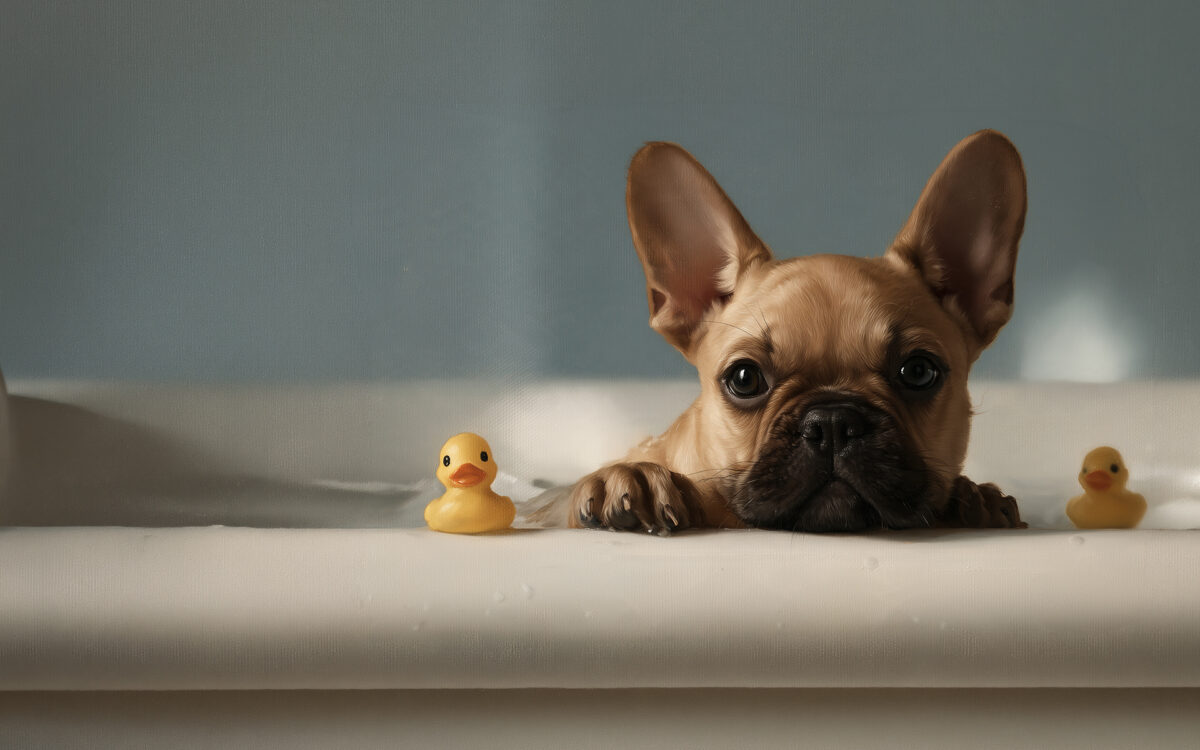
How to Prepare Your Pet for a Photoshoot
How to Prepare Your Pet for a Photoshoot: Studio or Outdoor Lifestyle Photography
Every pet has a personality worth capturing. From the curious tilt of a head to the familiar look they give you when they want a treat, the most meaningful pet photographs are often the ones that capture who your pet really is. Whether you’re planning a professional studio session or a relaxed outdoor lifestyle photoshoot, a little preparation can make all the difference.
At The Pet Journal, we believe pet photography should be about more than a beautiful photograph. It’s about preserving the little details, unique expressions and special connections that make your pet part of your family.
Here is how to prepare for a successful, enjoyable photoshoot with your four-legged companion.
1. Get Your Pet Comfortable Before the Shoot
The best photographs happen when your pet feels safe and relaxed. If your pet has never visited a photography studio or explored a new location with a photographer, allow time for them to become familiar with the environment.
For a studio session, let your pet explore the space at their own pace. They may want to sniff around, investigate the equipment or spend a few minutes getting comfortable before the camera comes out.
For outdoor lifestyle photography, choose a familiar walking route or a quiet location where your pet feels at ease. New environments can be exciting, but unfamiliar sounds, people and other animals may also be distracting.
Our tip: Don’t expect your pet to perform on command. Allowing them to settle naturally often leads to the most authentic images.
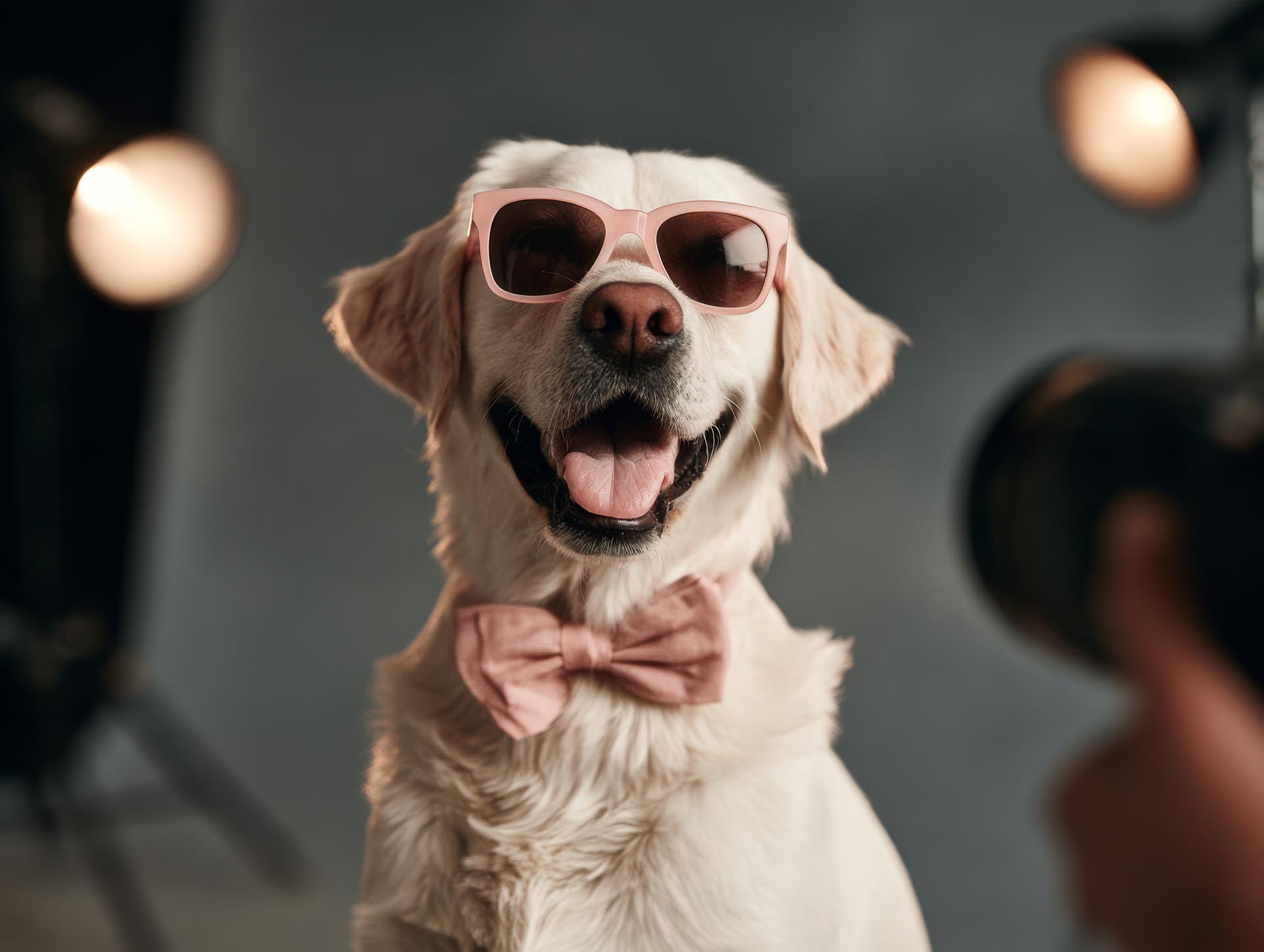
2. Grooming: Keep It Natural
A little grooming before the session helps your pet look their best without taking away from their natural character.
Depending on your pet’s coat and breed, consider:
- Giving them a good brush to remove loose hair and tangles.
- Cleaning around the eyes and muzzle if needed.
- Checking paws and trimming nails if appropriate.
- Wiping away any dirt around the face and body.
- Making sure collars, harnesses and accessories are clean.
If your pet needs a professional groom, schedule it a few days before the photoshoot rather than immediately beforehand. This gives them time to settle after the experience and avoids the possibility of irritated skin or an unfamiliar haircut affecting their comfort.
For pets with short coats, a gentle wipe-down may be all that’s needed.
Remember, your pet doesn’t need to look perfect. A slightly windswept coat, a floppy ear or a familiar scruffy expression may be exactly what makes the photograph special.
3. Bring Their Favourite Treats and Toys
Treats are one of the most useful tools during a pet photoshoot. They can help attract your pet’s attention, encourage eye contact and reward them for cooperating.
Pack a small bag with:
- Their favourite treats, preferably easy to eat and not too messy.
- A familiar toy that catches their attention.
- A squeaky toy, if sounds help them look towards the camera.
- Water and a portable bowl.
- Poo bags and a few cleaning essentials.
Let your photographer know which sounds, toys or treats work best. Some pets respond to a quiet voice, while others become excited by squeaky toys or the rustle of a treat packet.
Avoid introducing unfamiliar treats on the day, particularly if your pet has food sensitivities. If your pet has dietary restrictions, bring suitable alternatives.
4. Should You Feed Your Pet Before the Photoshoot?
It’s generally best to give your pet their normal meals rather than making significant changes to their feeding routine.
A very full pet may be sleepy or less interested in treats, while a hungry pet may become distracted or impatient. A light meal at the usual time, adjusted to suit your pet’s needs, can help them feel comfortable throughout the session.
For dogs, a gentle walk before the shoot can help release some excess energy. Avoid exhausting them with strenuous exercise, especially in warm weather.
For cats and other pets, keep their routines as familiar as possible. Their comfort matters far more than getting a particular pose.
5. Preparing for a Studio Pet Photoshoot
Studio photography offers a controlled environment with carefully managed lighting, simple backgrounds and fewer unpredictable distractions. It’s ideal for classic portraits, expressive close-ups and artwork-style images that focus on your pet’s face and personality.
What to bring for a studio session
- A familiar blanket or small bed, especially for nervous pets.
- Their favourite treats and toys.
- A clean collar or harness, or an alternative if you prefer a collar-free portrait.
- A brush or grooming cloth for last-minute touch-ups.
- Any comfort item that helps them settle.
Keep the atmosphere calm
Try to arrive on time without rushing. Give your pet a few minutes to explore and become familiar with the surroundings.
Bring only the people whose presence will genuinely help your pet feel secure. A crowd of excited family members can sometimes make it harder for a pet to focus or relax.
If your pet is shy, anxious or easily overstimulated, let the photographer know beforehand. The session can then be approached gently, with breaks and realistic expectations.
Be patient with the process
Your pet may sit beautifully for one frame and wander off a moment later. That’s completely normal.
Professional pet photography isn’t about forcing your pet into a pose. It’s about recognising the right moment and working with their natural behaviour. Sometimes the most memorable image is captured between the planned shots.
6. Preparing for Outdoor Lifestyle Pet Photography
Outdoor lifestyle photography captures your pet in a more natural setting. Think sunlit paths, grassy fields, leafy gardens, open spaces and those everyday moments that show how your pet interacts with the world around them.
These sessions are wonderful for active dogs, playful personalities and portraits that include movement, scenery and the bond between pets and their people.
Choose the right location
Consider places where your pet feels comfortable and where there is enough space to move safely. A quiet garden, familiar park or peaceful outdoor setting may be ideal.
Before the session, check whether pets are permitted at the location and whether leads are required. Avoid areas with heavy traffic, unsafe terrain or too many distractions.
For cats or smaller pets, use a secure carrier, harness or enclosed area appropriate to their needs. Never risk their safety for a photograph.
Think about the time of day
Lighting can transform an outdoor portrait. Early morning and late afternoon often provide softer, more flattering light than the harsh midday sun.
These times can also be more comfortable for pets, particularly during warmer South African months. Your photographer can recommend a suitable time based on the location, season and weather.
If the day is exceptionally hot, windy or stormy, consider rescheduling. Your pet’s wellbeing should always come first.
Dress for the setting
For outdoor sessions, simple accessories often work best. A neat collar, a neutral lead or a favourite bandana can add personality without distracting from your pet.
If you would like photographs with your pet, choose clothing in colours that complement the environment rather than competing with it. Soft neutrals, earthy tones and understated colours often work beautifully against natural backgrounds.
Most importantly, wear something you can move comfortably in. Sitting on the grass, walking together or playing with your pet may create the most natural photographs of the session.
7. Don’t Forget Safety
A successful photoshoot is a safe one. Even the calmest pet can become distracted by a new smell, another animal or an unexpected noise.
Keep these precautions in mind:
- Use a secure lead or harness wherever necessary.
- Ensure your pet has identification and is microchipped where appropriate.
- Keep fresh water available, especially during outdoor sessions.
- Watch for signs of stress, overheating or fatigue.
- Avoid forcing interaction with unfamiliar people or animals.
- Never place your pet in a position that could cause injury for the sake of a photograph.
For pets that are nervous around strangers or other animals, a quieter location and a slower approach can make the experience much more enjoyable.
8. Let Your Pet Be Themselves
This may be the most important preparation tip of all.
Not every pet will sit perfectly still, look directly into the lens or follow instructions. Some are playful, some are cautious, some are wonderfully stubborn, and others prefer to observe everything from a comfortable distance.
That’s part of their personality, and it’s worth celebrating.
Allow your photographer to work with your pet’s individual temperament. Take breaks when needed, keep your expectations flexible and enjoy the experience rather than worrying about achieving a specific pose.
A photograph of your dog mid-run, your cat looking unimpressed or your puppy investigating the camera can become far more meaningful than a technically perfect image that doesn’t feel like them.
9. Capture the Bond, Not Just the Portrait
While individual portraits are beautiful, some of the most treasured images are the ones that show the relationship you share with your pet.
Consider including a few photographs of you together: a gentle cuddle, a walk side by side, a favourite game or a quiet moment of affection.
For family pets, you might also include children or other household animals, provided everyone is comfortable and interactions can be managed safely.
These photographs tell a bigger story. They capture not only what your pet looks like today, but also the connection, companionship and everyday moments that make them part of your life.
10. What Happens After the Photoshoot?
Once the session is over, your photographs can become more than images stored on your phone or computer. A favourite portrait can be printed, framed, displayed in your home or turned into a personalised piece of artwork.
At The Pet Journal, we’re passionate about celebrating pets through photography, art and creative products. Whether you prefer a timeless studio portrait or a relaxed outdoor session, your images can become lasting reminders of the personality and companionship you never want to forget.
As your pet grows older, those small details become even more precious: the shape of their ears, the colour of their eyes, their favourite expression or the way they always look at you.
These are the moments worth keeping.
Ready to Plan Your Pet’s Photoshoot?
A little preparation goes a long way, but you don’t need to have everything perfectly organised. Bring your pet, their favourite treats and an open mind. We’ll leave room for the unexpected moments that make pet photography so rewarding.
Whether you’re dreaming of a refined studio portrait or a natural outdoor lifestyle session, The Pet Journal celebrates the individuality of every pet and the stories they bring into our lives.
Because they’re more than pets. They’re part of your story.
Explore The Pet Journal for pet photography, creative inspiration and thoughtful ways to celebrate the animals you love.
Recent Posts
8 July, 2026
How to Prepare Your Pet for a Photoshoot

8 September, 2025
Building Confidence in Young Children
